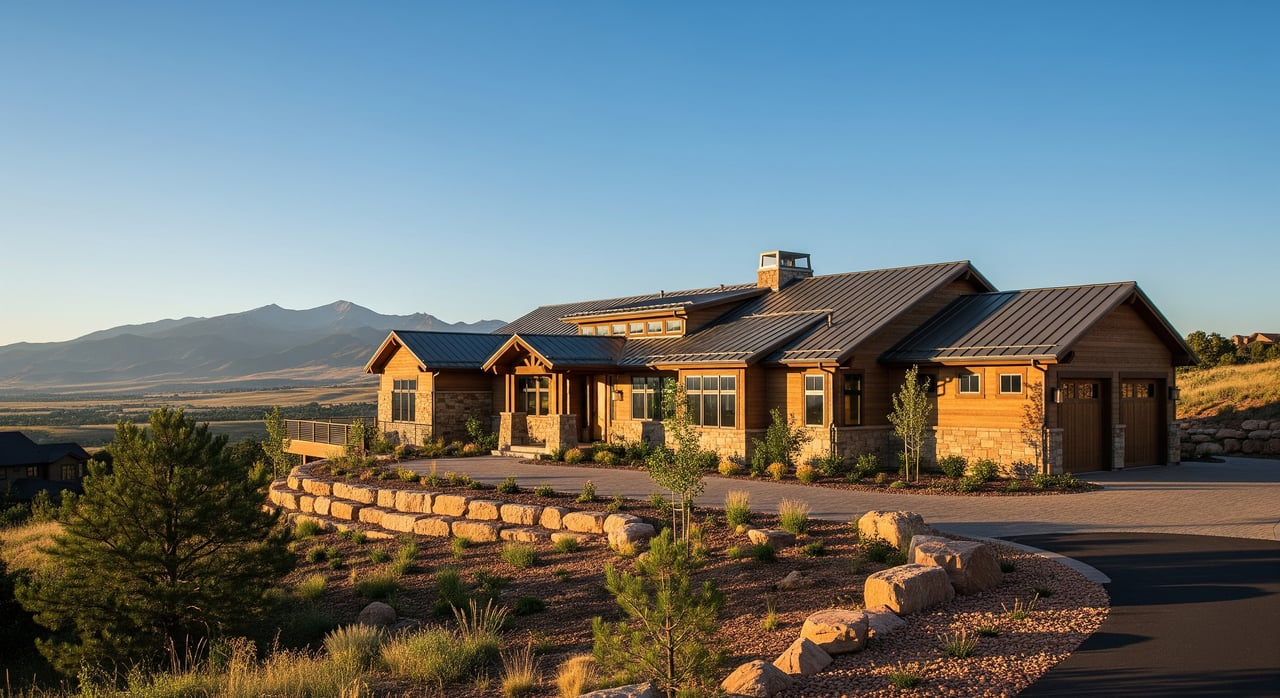
Do you love Monument’s bluebird skies but worry about what 7,000 feet does to your home? You’re not alone. High-altitude sun, wide temperature swings, winter snow, and seasonal wildfire risk make maintenance different here than at lower elevations. This guide gives you a clear, Monument-specific checklist so you can protect your roof, systems, and yard in every season. Let’s dive in.
Why altitude changes maintenance
Stronger UV at elevation accelerates fading and breakdown of exterior paints, stains, and sealants. You will likely need to inspect and recoat more often than you would at sea level. Choosing UV-stable finishes and checking caulk annually goes a long way.
Frequent freeze-thaw cycles stress roofing, flashing, concrete, and masonry. Small cracks can widen as water freezes, so early repairs prevent bigger issues. Keeping gutters clean helps water move off the house instead of refreezing at the eaves.
Snow in Monument often melts under bright sun, then refreezes at night. That pattern can create ice dams if warm attic air heats the roof deck. Balanced insulation, ventilation, and air sealing are the root fixes.
Low humidity can dry and split wood trim, decks, and fences. Regular sealing helps wood last longer. Many homeowners choose composites or high-performance coatings in high-sun areas.
Wildfire potential rises in dry seasons, especially in wildland-urban interface areas. Defensible space and ember-resistant building details reduce risk and support community resilience.
Roof and attic priorities
Stop ice dams before they start
Ice dams form when heat from the house melts roof snow that refreezes at the colder eaves. Focus on the attic first. Add or upgrade insulation to recommended R-values, air-seal gaps around lights, ducts, and chimneys, and ensure balanced eave-to-ridge ventilation so the roof stays a uniform temperature.
Schedule roof inspections
Book a professional roof inspection at least once a year, and after heavy storms. Ask the roofer to check shingles, flashing, valleys, and step flashing around chimneys. Prompt repairs prevent leaks during freeze-thaw and spring melt.
Keep gutters moving
Clean gutters in spring and fall so water can drain freely. Confirm downspouts extend 3 to 6 feet from the foundation or into a proper drain system. In problem areas, heat trace may help, but address insulation and ventilation first for a long-term solution.
Exterior finishes and sealants
Paint and siding under high UV
High-altitude UV shortens paint and stain life. Use high-quality, UV-resistant products and expect shorter repaint cycles. Inspect siding, trim, and caulk lines every spring and touch up as needed to prevent moisture intrusion.
Decks and fences
Wood exposed to sun and dry air can check or split. Re-seal decks and railings on schedule with UV-resistant products, and check fasteners for corrosion. Consider composite materials in the sunniest spots to reduce upkeep.
Masonry and stucco
Walk the exterior to find hairline cracks in stucco, brick, or stone. Seal small cracks promptly so water does not enter and expand with freezing. Keep sprinklers from hitting walls to limit moisture and staining.
Plumbing, HVAC, and freeze protection
Prevent frozen pipes
Insulate exposed plumbing in garages, crawl spaces, and exterior walls. During deep cold snaps, open cabinet doors under sinks on exterior walls and let a small stream of water run if needed. Know where your main water shutoff is so you can act fast in an emergency.
Service heating and cooling
Schedule annual furnace or boiler service before winter and change filters regularly. If you use AC, have it tuned in spring, and keep condensate lines insulated and clear. Proper airflow and safe venting matter in high-altitude conditions.
Irrigation and landscaping
Spring startup
After the last major freeze, have your irrigation system inspected before running it. Test zones, repair leaks, and adjust spray to avoid wetting siding and foundations. Use watering schedules that fit Monument’s semi-arid climate.
Fall blowout
Before sustained freezing, hire a licensed contractor to blow out irrigation lines and winterize the backflow preventer. This protects valves and piping from burst damage. Many local codes also require periodic backflow testing.
Fire-wise yard care
Create defensible space by removing dead vegetation, spacing plants appropriately, and keeping grass short. Use noncombustible ground covers like gravel near structures and prune trees to remove ladder fuels. Maintain clearance around roofs, gutters, and vents.
Snow and ice on walks and drives
Smarter deicer choices
Conventional rock salt can harm concrete and plants. Use the minimum effective amount and consider alternatives like calcium magnesium acetate or sand where appropriate. Shovel early and often to reduce chemical use.
Heated systems and access
Heated walk or driveway systems can improve accessibility but come with higher installation and operating costs. Weigh the investment against Monument’s snowfall patterns and your mobility needs. Maintain clear pathways to doors, gas meters, and hydrants.
Safety first
Snow and ice removal from roofs is dangerous. Hire insured professionals for roof work or heavy ice. Keep walkways clear to reduce slip risk and meet local or HOA rules for timely clearing.
Foundation and drainage
Keep water away from the house
Ensure grading slopes away from the foundation and extend downspouts. Repair driveway and patio cracks before winter to limit freeze damage. Verify that drains and window wells are clear.
Basements and crawl spaces
Check for moisture, musty odors, or standing water after storms or melt events. Service sump pumps and confirm discharge lines are not frozen or blocked. Proper ventilation and vapor barriers help control humidity.
Seasonal checklist for Monument
Spring
- Clean gutters and downspouts after the last major snowfall.
- Inspect roof shingles, valleys, and flashing and schedule repairs.
- Check grading and add downspout extensions if needed.
- Start up and test irrigation, then fix leaks and adjust heads.
- Inspect siding, trim, and caulk; touch up paint and sealants.
- Service AC, change filters, and inspect condensate lines.
- Inspect decks and re-seal high-sun areas.
Summer
- Watch for UV fading and plan exterior repainting or staining.
- Maintain defensible space; prune trees and shrubs away from the house.
- Monitor irrigation efficiency and adjust schedules for dry spells.
- Inspect gutters and drainage before late-summer storms.
Fall
- Inspect and improve attic insulation, air sealing, and ventilation.
- Hire a licensed contractor for irrigation blowout and backflow winterization.
- Schedule furnace or boiler tune-up; replace filters.
- Service snow blower, stock shovels and appropriate deicers.
- Perform a final gutter clean-out and confirm downspout extensions.
- Remove dead vegetation and debris from roofs and gutters.
Winter
- Watch for early signs of ice dams like icicles or ceiling stains.
- Insulate exposed pipes and monitor vulnerable areas during cold snaps.
- Clear walks promptly and use deicers sparingly.
- Keep emergency contacts for heating and plumbing handy.
DIY or hire a pro
- DIY: gutter cleaning if ladder-safe, basic exterior inspections, changing HVAC filters, simple caulking, light yard cleanup.
- Hire a professional: roof inspections and repairs, ice-dam removal, attic air sealing and insulation upgrades, irrigation blowouts and backflow testing, structural or foundation work, and major HVAC or plumbing service. Always confirm licenses, insurance, references, and local experience with high-altitude conditions.
Permits, codes, and local resources
For roof changes, roof-mounted heating systems, significant grading or drainage work, and large deck replacements, check with El Paso County and the Town of Monument building departments about permits and snow-load or structural criteria. Ask contractors for license numbers, proof of liability and workers’ compensation insurance, and written estimates. For wildfire mitigation, look for providers trained in recognized best practices.
You may qualify for rebates or programs that support insulation upgrades, efficient equipment, irrigation controllers, or fire-mitigation work. Review local options before starting a project so you can align scope, budget, and timing.
Plan your budget
High UV and freeze-thaw cycles can shorten maintenance intervals compared with lower elevations. Budget for more frequent repainting, caulking, and sealant refreshes. For big projects, request multiple bids and compare lifecycle durability, not just upfront cost.
Ready to talk real estate questions too?
If you are weighing pre-listing improvements or wondering which projects add the most value in Monument, you do not have to guess. With two decades in the Pikes Peak area, Jeanne Guischard and The Elite Team can help you prioritize smart fixes, connect you with reputable local pros, and plan the right timing for your move. Reach out anytime to schedule your free market consultation.
FAQs
What causes ice dams on Monument homes?
- Warm attic air melts roof snow that refreezes at the colder eaves, creating a blockage that pushes water under shingles. Insulation, air sealing, and balanced ventilation are the core fixes.
Will a metal roof solve ice dams in Monument?
- Metal sheds snow more easily, but it does not fix heat loss. You still need proper attic insulation, air sealing, and ventilation to prevent ice dams.
How often should I repaint at high altitude?
- UV at 7,000 feet shortens paint life. Inspect annually and expect to recoat sooner than at lower elevations, following the manufacturer’s schedule and product guidance.
When should I schedule my irrigation blowout?
- Book a licensed contractor before the first sustained freeze in fall so valves and lines are protected. Backflow preventers also need winterization and periodic testing.
What landscaping reduces fire risk near my home?
- Use low-water, appropriately spaced plants, remove ladder fuels, keep grass short, and add noncombustible ground covers like gravel within the immediate zone around structures.
Do I need a permit for roof or drainage changes in Monument?
- Often yes for structural roof work, roof-mounted heat systems, major grading, or large deck projects. Check with El Paso County and the Town of Monument before you start.